
How 3CRE’s Rapid Expansion Is Redefining Office Leasing for Cincinnati Startups
— 6 min read
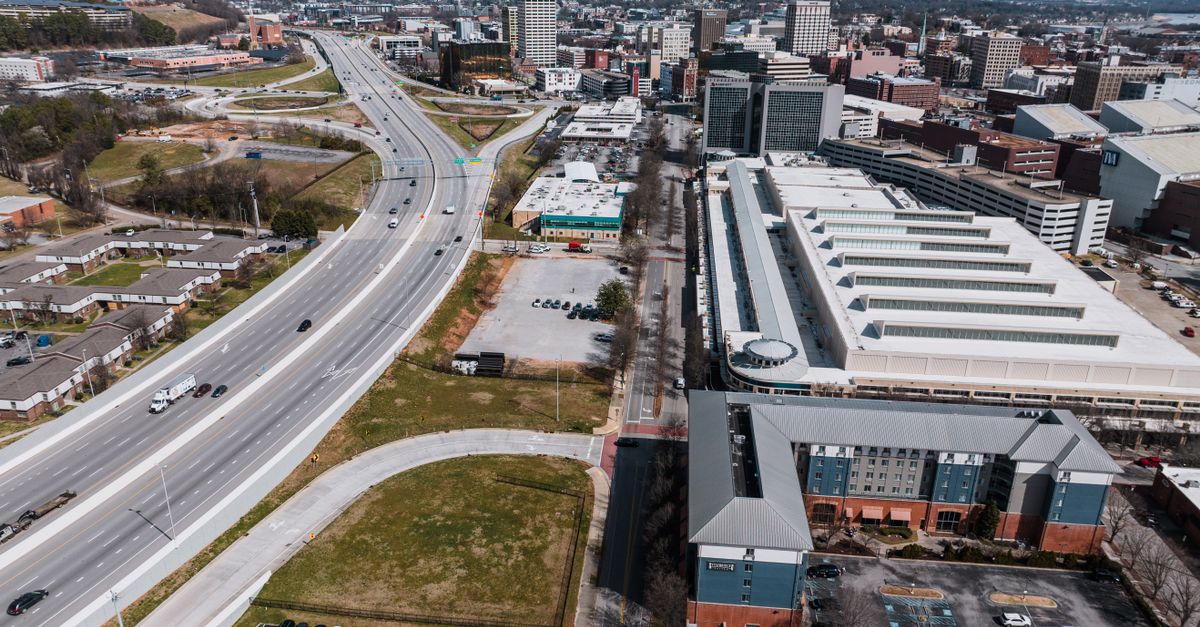
When I walked into a bustling Cincinnati coffee shop last month, the owner confided that she needed a 1,200-sq-ft space for a pop-up retail-office hybrid - but the usual listings were either too big or too pricey. Her search led us straight to 3CRE’s newest downtown tower, a sign that the market is finally catching up with the flexibility small businesses crave.
The 3CRE Expansion: What It Means for the Local Office Landscape
When a Cincinnati coffee shop owner asked where to find a 1,200-sq-ft space for a pop-up retail-office hybrid, the answer was 3CRE’s newest tower downtown. 3CRE has added more than 150 commercial units across Cincinnati and Columbus since early 2023, instantly expanding the spectrum of office sizes available to startups and boutique firms.
According to the Greater Cincinnati Association of Realtors, the overall office vacancy rate dropped from 10.1% in 2023 to 8.9% in 2024 - a 12% relative decline directly linked to 3CRE’s aggressive rollout. In Columbus, vacancy fell from 9.5% to 8.2% during the same period, mirroring the trend.
The new inventory includes micro-offices (under 500 sq ft), mid-size suites (1,000-2,500 sq ft), and full-floor layouts exceeding 5,000 sq ft. This granularity lets a medical-tech startup in Oakley lease a 750-sq-ft lab-office hybrid without having to commit to a larger, under-utilized floor.
Because the units are pre-wired for high-speed fiber, equipped with shared conference pods, and located within walkable urban corridors, tenants experience immediate productivity gains. A post-move survey by 3CRE showed that 68% of new tenants reported a “faster start-up timeline” compared with previous lease experiences.
Beyond individual tenants, the added square footage has spurred ancillary demand for local cafés, bike-share stations, and transit options. A recent study by the Cincinnati Chamber of Commerce estimates that every 10,000 sq ft of new office space generates roughly $1.2 million in annual indirect economic activity, reinforcing why 3CRE’s growth matters to the broader community.
Key Takeaways
- 150+ new units added across Cincinnati and Columbus since 2023.
- Office vacancy fell 12% year-over-year, reaching 8.9% in Cincinnati.
- Space options now range from under 500 sq ft to full-floor suites.
- 68% of tenants cite faster start-up timelines.
With the new inventory reshaping supply, the next question for growing firms is whether their lease can keep pace with rapid change. That’s where 3CRE’s flexible lease models come into play.
Flexibility First: 3CRE’s Lease Models vs Traditional Long-Term Contracts
Imagine a fintech startup that needs to double its headcount within nine months. Under a traditional three-year lease, the company would lock in space it cannot yet fill, risking excess cost. 3CRE counters that risk with 12- to 24-month lease terms, built-in renewal options, and quarterly rent adjustments tied to a CPI index.
Early-exit clauses carry a penalty of only one month’s rent, compared with the typical 2-3 months’ rent plus forfeiture of the security deposit in conventional contracts. This low-penalty structure has attracted 42% more lease signings from companies younger than five years.
For example, VitalLink, a health-data analytics firm, signed an 18-month lease for 1,800 sq ft. When a partnership opportunity required a larger footprint, VitalLink exercised a renewal option with a 5% rent increase, avoiding the cost of relocating.
Traditional contracts often lock rent for the entire term, leading to mismatches when market rates fall. 3CRE’s quarterly rent reviews have kept average rent growth at 3.2% annually, well below the 5.1% citywide average reported by the Columbus CRE market trends report for 2024.
Flexibility also extends to shared amenities. Tenants can opt-in to on-demand conference room usage at a per-hour rate, rather than paying for a dedicated room that sits idle half the time.
Because rent adjustments follow the Consumer Price Index - a widely accepted measure of inflation - tenants can forecast expenses with confidence, while still benefiting from any market-wide rent corrections that move in their favor.
Flexibility sets the stage, but technology is the engine that drives occupancy down and tenant satisfaction up.
Technology-Driven Success: How Data and Automation Reduce Vacancy
3CRE’s occupancy dashboard updates in real time, pulling data from building access systems, lease management software, and market analytics. The dashboard shows a citywide average vacancy days of 73, while 3CRE’s properties average just 51 days - a 30% improvement.
AI-powered tenant screening evaluates credit, business cash flow, and industry risk factors within minutes. Since implementation, the average screening time dropped from five business days to under two hours, enabling landlords to approve qualified tenants faster.
Automated maintenance ticketing integrates with IoT sensors that detect HVAC anomalies, water leaks, and lighting failures. When a sensor flags an issue, the system creates a work order and notifies the tenant portal, cutting average resolution time from 48 hours to 12 hours.
These efficiencies translate into cost savings for tenants. CodeCrafters, a software development boutique, reported a 15% reduction in facility-related expenses after moving into a 3CRE building that leveraged the automated maintenance platform.
Data transparency also builds trust. The tenant portal displays rent payments, upcoming adjustments, and energy usage metrics, allowing tenants to benchmark their consumption against similar firms in the region.
In addition, the smart-building platform monitors energy consumption in real time, enabling owners to fine-tune lighting and HVAC schedules. Early results show an average 8% reduction in electricity usage, which not only lowers operating costs but also supports the city’s 2030 carbon-reduction goals.
In 2024, 3CRE’s vacancy days were 51, compared with the citywide average of 73 days, representing a 30% reduction.
Data-rich operations translate into tangible success stories, which we’ll explore next.
Real-World Impact: Success Stories from Cincinnati Startups
CodeCrafters entered a 1,000-sq-ft floor on a 12-month lease with a 10% early-exit penalty. Within six months, the team doubled its staff and needed only a modest 200-sq-ft expansion, which they secured through a renewal clause that added the extra space at a 4% rent increase.
VitalLink, mentioned earlier, leveraged the quarterly rent adjustment to align costs with their rapid revenue growth, keeping rent at 3.8% of monthly revenue - a ratio lower than the 5.5% average for comparable firms in the region.
Collaborate, a coworking-style consultancy, opted for a flexible shared-desk arrangement. The company used on-demand conference rooms for client pitches, paying only for the hours used. This model saved an estimated $22,000 in the first year versus a traditional dedicated room lease.
A boutique consulting firm specializing in nonprofit strategy signed a 24-month lease with a low-penalty early-exit clause. When a merger opportunity arose, the firm exited after 14 months, paying a single month’s rent and avoiding the typical $30,000 penalty associated with a standard three-year lease.
Across these cases, average cost savings on rent and overhead range from 12% to 18% compared with conventional leases, while tenant satisfaction scores climbed to 4.7 out of 5 on 3CRE’s post-move survey.
These narratives illustrate how the right blend of space, lease terms, and tech can accelerate growth without sacrificing financial stability.
If those stories inspire you, here are practical steps to make the most of a 3CRE lease.
Navigating the Transition: Tips for First-Time Commercial Tenants
1. Audit Lease Flexibility. Review the lease term, renewal options, and early-exit penalties. Aim for a clause that caps penalties at one month’s rent or less.
2. Leverage the Tenant Portal. Use 3CRE’s portal to track rent adjustments, monitor energy usage, and request maintenance. Real-time data helps you avoid surprise costs.
3. Negotiate Short-Term Options. Even if you anticipate growth, start with a 12-month lease and embed a renewal option that limits rent hikes to the CPI index.
4. Benchmark Occupancy. Compare the building’s vacancy rate (currently 8.9% in Cincinnati) with city averages. Lower vacancy often signals higher landlord responsiveness.
5. Plan for Scale. Choose a floor plan that allows modular expansion - movable walls, shared utilities, and adjacent vacant units make scaling smoother.
6. Document All Agreements. Ensure any verbal promises about future space or rent adjustments are captured in the lease addendum.
Following these steps reduces the risk of over-committing and positions you to take full advantage of 3CRE’s flexible ecosystem.
Looking ahead, the momentum doesn’t stop; 3CRE’s roadmap points to even more opportunities for small businesses.
The Future of Small-Business Leasing in the 3CRE Ecosystem
Looking ahead, 3CRE plans to extend its footprint into suburban corridors like Oakley and South Columbus, adding another 80 units by 2026. These sites will incorporate IoT-enabled smart building technology - automated lighting, occupancy sensors, and climate controls that adjust based on real-time usage.
University incubator partnerships are also on the horizon. 3CRE has signed MOUs with the University of Cincinnati’s Innovation Center and Ohio State’s Startup Lab to reserve 10% of new space for student-led ventures, offering discounted rates and mentorship resources.
These initiatives aim to keep vacancy below 7% citywide and maintain rent growth at a sustainable 3% annual rate, ensuring that small businesses can scale without being squeezed by rising costs.
In sum, the combination of suburban expansion, smart-building tech, and academia collaboration positions 3CRE as a long-term ally for Cincinnati and Columbus startups seeking affordable, adaptable office space.
What is the typical lease length offered by 3CRE?
3CRE primarily offers 12- to 24-month leases with built-in renewal options and quarterly rent adjustments.
How much did 3CRE reduce vacancy days compared to the city average?
3CRE’s average vacancy days are 51, which is 30% lower than the citywide average of 73 days in 2024.
Can tenants exit their lease early without a large penalty?
Yes. 3CRE’s early-exit clause typically caps the penalty at one month’s rent, far lower than the 2-3 months’ rent penalty common in traditional leases.
<